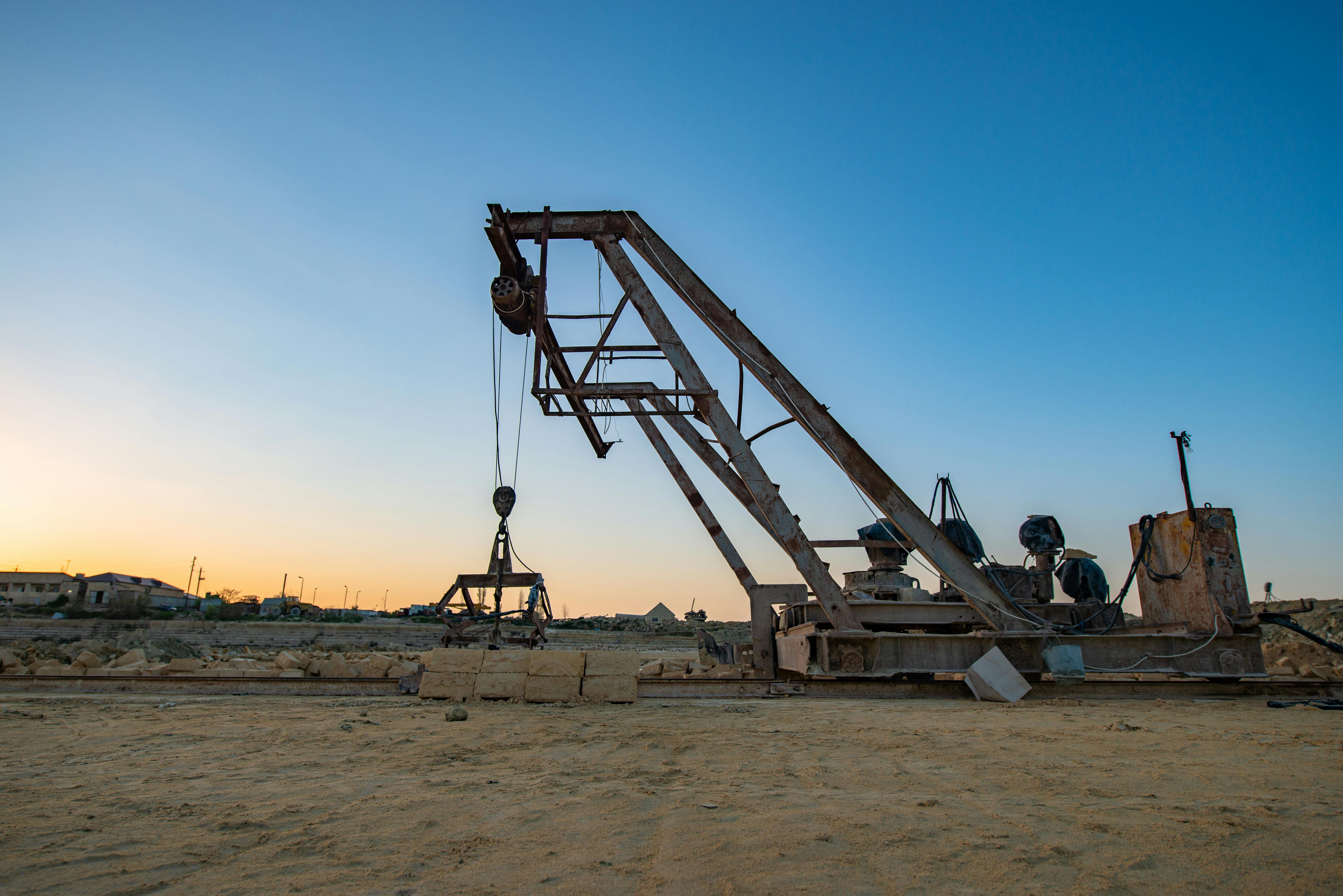
When an oil well reaches the end of its productive life, the process of abandonment becomes a critical phase for protecting surrounding ecosystems, groundwater sources, and community health. Properly executed oil well abandonment services involve a series of engineering, regulatory, and environmental steps designed to seal the wellbore, remove hazardous materials, and restore the site to a stable condition. By adhering to rigorous standards and employing advanced technologies, these services significantly reduce the risk of leaks, soil contamination, and long-term ecological damage, ensuring that the legacy of extraction does not become a lingering environmental burden.
Key Components of Professional Oil Well Abandonment
Comprehensive Planning and Regulatory Compliance
Effective abandonment begins with a detailed plan that aligns with federal, state, and local regulations. This plan typically includes:
- Site-specific risk assessments that identify potential pathways for contaminant migration.
- Documentation of well history, including production data, casing specifications, and previous interventions.
- Coordination with regulatory agencies to secure necessary permits and approvals.
Wellbore Integrity and Plugging Techniques
Maintaining the structural integrity of the wellbore is essential to prevent subsurface fluid migration. Modern plugging methods involve:
- Setting mechanical and cement plugs at predetermined depths to isolate hydrocarbon zones.
- Utilizing advanced cement blends that resist degradation from pressure and chemical exposure.
- Conducting pressure testing after plug placement to verify seal effectiveness.
Surface Equipment Removal and Site Restoration
All surface infrastructure, such as pumps, pipelines, and control panels, must be safely dismantled. Following removal, the site is typically:
- Regraded to prevent water pooling and erosion.
- Re-vegetated with native plant species to promote ecological recovery.
- Monitored for at least one year to confirm the stability of the restored environment.
How Abandonment Services Reduce Environmental Risk
Prevention of Subsurface Contamination
By installing multiple, well-engineered plugs, the risk of hydrocarbons or formation water leaking into aquifers is dramatically lowered. Proper plug placement creates physical barriers that block fluid pathways, which is a cornerstone of oil well abandonment services focused on long-term environmental protection.
Mitigation of Surface Spills and Air Emissions
During the decommissioning process, careful handling of residual oil, chemicals, and gases prevents accidental releases. Techniques include:
- Capturing and recycling remaining hydrocarbons rather than venting them.
- Using sealed containers for hazardous waste to avoid soil and water contamination.
- Implementing dust suppression measures to reduce airborne particulates.
Long-Term Monitoring and Adaptive Management
Post-abandonment monitoring programs are essential for early detection of any unexpected changes. Regular sampling of groundwater, soil, and gas emissions provides data that can trigger corrective actions before environmental impacts become significant.
Benefits Beyond Environmental Protection
- Regulatory Assurance: Demonstrating compliance with abandonment standards reduces the likelihood of fines and legal disputes.
- Community Trust: Transparent abandonment practices build confidence among local stakeholders and landowners.
- Asset Value Preservation: Properly restored sites are more attractive for future land use, whether for agriculture, recreation, or renewable energy projects.
Emerging Technologies Enhancing Abandonment Outcomes
Innovation continues to improve the safety and efficiency of well decommissioning. Notable advancements include:
- Smart Plugging Materials: Cement formulations embedded with sensors that transmit real-time pressure data.
- Robotic Inspection Tools: Downhole robots that assess casing condition and plug placement accuracy without human entry.
- Geospatial Analytics: GIS platforms that model contaminant transport scenarios, guiding plug depth decisions.
Integrating Professional Services into Project Lifecycles
Incorporating abandonment considerations early in the well design phase yields cost savings and reduces environmental risk. Early collaboration with specialists in oil well abandonment ensures that:
- Well architecture includes features that facilitate later plug installation.
- Material selections are compatible with long-term sealing requirements.
- Project schedules allocate sufficient time for thorough decommissioning activities.
Conclusion
Professional oil well abandonment services play a pivotal role in safeguarding the environment after the productive life of a well ends. Through meticulous planning, robust plugging techniques, diligent equipment removal, and ongoing monitoring, these services mitigate the risk of groundwater contamination, surface spills, and air emissions. As regulatory expectations tighten and public scrutiny intensifies, the industry’s commitment to responsible decommissioning becomes not only a legal obligation but also a testament to its dedication to sustainable resource management.