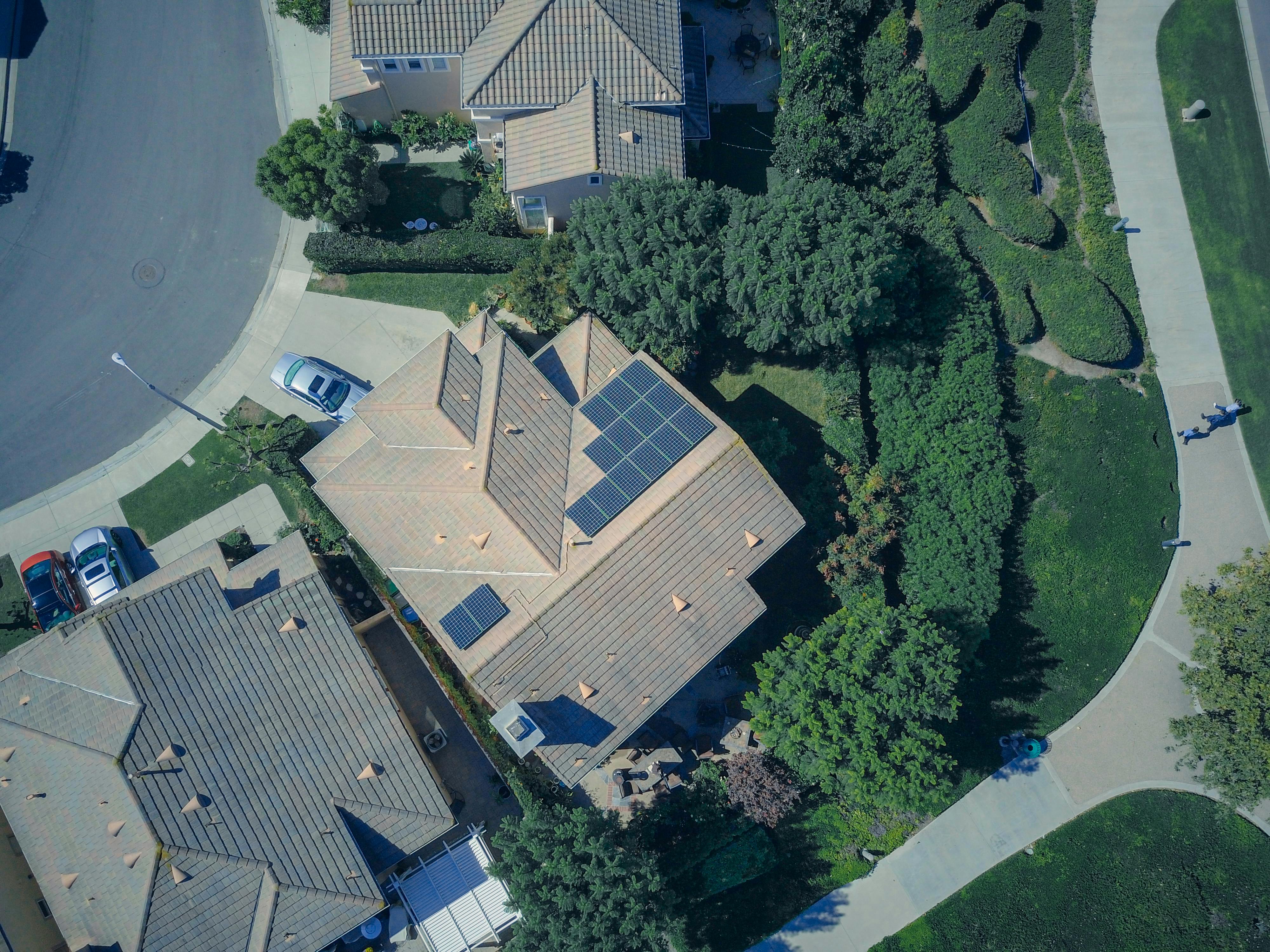
Selecting the appropriate industrial roof system is crucial for businesses aiming to ensure durability, energy efficiency, and cost-effectiveness. With a plethora of options available, it can be challenging to decide which roofing system best suits the needs of a specific industrial facility. Factors such as climate, building structure, and budget play a significant role in this decision-making process. This article provides a comprehensive guide to help businesses make informed choices about their industrial roofing needs.
Understanding Different Types of Industrial Roofing Systems
To make an informed decision, it’s essential to understand the various types of industrial roofing systems available. Each type offers unique benefits and is suitable for different scenarios.
1. Metal Roofing
Metal roofing is renowned for its durability and longevity. It is an excellent choice for industrial facilities due to its ability to withstand harsh weather conditions. Benefits include:
- High resistance to fire, snow, and rain.
- Reflective surfaces that enhance energy efficiency.
- Low maintenance requirements.
Find out more about this approach.
2. Built-Up Roofing (BUR)
Built-up roofing, commonly referred to as BUR, is a traditional roofing system that consists of multiple layers of bitumen and reinforcing fabrics. It is suitable for flat or low-slope roofs.
- Provides excellent waterproofing protection.
- Offers high resistance to heavy foot traffic.
- Long-lasting with proper maintenance.
Explore advanced guides and tips.
3. Single-Ply Roofing
Single-ply roofing systems are made from flexible sheets of compounded synthetic materials. They are particularly advantageous for their flexibility and ease of installation.
- Lightweight and easy to install.
- Excellent resistance to UV radiation.
- Available in different types such as TPO, PVC, and EPDM.
Discover expert strategies here.
Factors to Consider When Choosing an Industrial Roof System
After understanding the types of roofing systems, the next step is to evaluate specific factors that influence the choice of an industrial roof system.
Climate and Environmental Conditions
The local climate significantly impacts the performance and longevity of a roofing system. For instance, areas with heavy snowfall may benefit from the strength of metal roofing, while regions with high UV exposure may prefer single-ply systems. Learn about our tailored solutions.
Building Structure and Design
The architecture and design of the industrial facility will greatly dictate the suitable roofing system. Flat roofs generally require different solutions compared to sloped structures.
Budget and Long-Term Costs
While initial costs are important, it’s crucial to consider the long-term expenses associated with maintenance and energy consumption. Energy-efficient roofs may have higher upfront costs but result in savings over time.
Conclusion
Choosing the right industrial roof system involves a careful evaluation of various factors, including the type of roofing, environmental conditions, structural design, and budget constraints. By understanding the unique attributes of each roofing option, businesses can make informed decisions that align with their operational needs and financial goals. For more information and comprehensive guidance, explore advanced guides and tips.