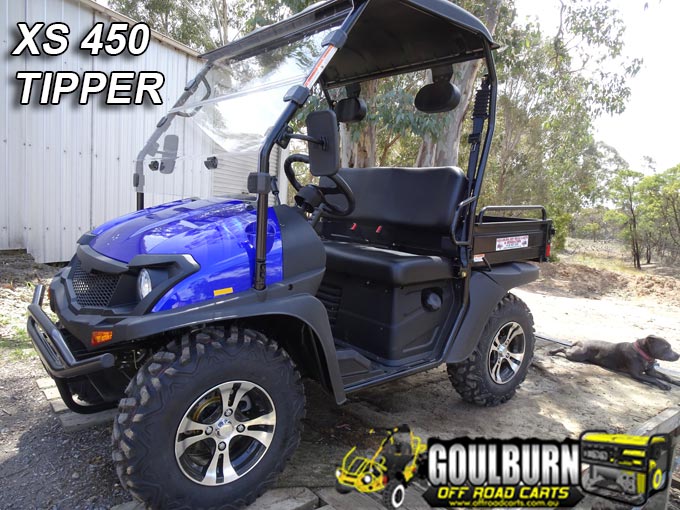
Regular inspections of your off-road vehicle, especially buggies, are crucial to ensure safety and optimal performance. Whether it’s for leisure or work, keeping your buggy in top condition can prevent unexpected breakdowns and extend its lifespan. By scheduling regular inspections, you not only adhere to best practices for vehicle maintenance but also enhance your driving experience. This guide will explore the importance of regular buggy inspections, how to schedule them, and what to expect during the process.
Understanding the Importance of Buggy Inspections
Regular inspections are essential for several reasons:
- Safety: Ensures that all parts of the buggy are functioning correctly, reducing the risk of accidents.
- Performance: Maintains the vehicle”?s efficiency, ensuring a smooth and enjoyable ride.
- Longevity: Regular maintenance can significantly extend the lifespan of the vehicle.
- Cost-Efficiency: Helps in identifying and fixing minor issues before they become costly repairs.
How to Schedule Your Inspection
Scheduling an inspection is a straightforward process. Here”?s a step-by-step guide to help you book your next buggy inspection:
1. Determine the Frequency of Inspections
The frequency of inspections can vary based on usage and manufacturer recommendations. Consider these factors:
- Usage Frequency: More frequent use may require more regular inspections.
- Manufacturer”?s Guidelines: Follow the maintenance schedule recommended in the user manual.
- Typical Terrain: Harsh or rugged environments may necessitate more frequent checks.
2. Choose a Reliable Service Provider
When selecting a service provider, consider the following:
- Reputation: Look for providers with positive reviews and a track record of expertise.
- Expertise: Ensure that the technicians are well-trained in handling buggies.
- Comprehensive Service Offerings: Opt for providers who offer a range of services to cover all aspects of maintenance. Discover expert strategies here.
3. Booking the Inspection
Once you’ve selected a service provider, you can proceed to book your inspection:
- Online Booking: Many service providers offer online booking options for convenience.
- Direct Contact: Alternatively, you can contact the service provider directly via phone or email.
- Flexible Scheduling: Look for providers who offer flexible scheduling to accommodate your availability.
What to Expect During the Inspection
Understanding what happens during an inspection can help you prepare better:
1. Initial Assessment
The technician will conduct a visual inspection to identify obvious issues. This includes checking:
- Tires and Wheels: For wear and tear and proper alignment.
- Brakes: To ensure they are functioning correctly.
- Fluid Levels: Oil, coolant, and other essential fluids.
2. Detailed Examination
The next step involves a more detailed examination of the vehicle:
- Engine Performance: Checking for any irregular sounds or performance issues.
- Electrical Systems: Ensuring all lights and indicators function properly.
- Structural Integrity: Examining the frame and body for any damage or corrosion. Explore advanced guides and tips.
3. Post-Inspection Report
After the inspection, you will receive a report detailing:
- Identified Issues: Any problems found during the inspection.
- Recommended Repairs: Suggestions for any necessary repairs or maintenance.
- Maintenance Tips: Advice on how to keep your buggy in optimal condition. Find out more about this approach.
Conclusion
Regular buggy inspections are a critical component of maintaining vehicle safety and performance. By understanding the process and choosing the right service provider, you can ensure that your buggy remains in excellent condition for years to come. Learn about our tailored solutions to keep your off-road adventures safe and enjoyable.